


Jiminys dog food is making waves for its use of cricket protein and claims of being both hypoallergenic and sustainable—but does the reality match the buzz? Here’s what you really need to know before feeding it to your dog.
Key Takeaways
- No independent clinical studies or negative reviews are available as of 2024—most data comes from the company or affiliates.
- Jiminy’s cricket-based recipes have a strong environmental case, but real-world pricing, supply chain transparency, and third-party vet endorsements remain unclear.
- If you want a hypoallergenic, eco-friendly dog food, Jiminy’s is promising, but check ingredient lists closely and compare long-term value to other premium options.
- The Core Concept: What Makes Jiminy’s Dog Food Different?
- Step-by-Step Guide: How to Start with Jiminy’s Dog Food
- Advanced Analysis & Common Pitfalls
- Conclusion
- FAQs About Jiminy’s Dog Food
The Core Concept: What Makes Jiminy’s Dog Food Different?
Jiminy’s dog food replaces traditional meat proteins with cricket and grub protein, positioning itself as a sustainable and hypoallergenic alternative. Unlike conventional dog food, Jiminy’s formulas use insects as their primary protein, skipping beef, chicken, and dairy—ingredients commonly associated with allergies in dogs.

One acre of cricket farms produces up to 65,000 pounds of protein a year, whereas chicken yields about 265 pounds per acre, according to industry sources. Cricket farming uses 93% less land and 99% less water than beef, and Jiminy’s claims their recipes cut down CO2 footprint by as much as 99.99% compared to typical pet food options (details here).
If you’re looking for a detailed exploration of ingredient trends and the crowded pet products market, Jiminy’s eco credentials stand out. However, as of 2024, there are no independent clinical nutrition studies or robust peer-reviewed research to back up claims of improved health outcomes, allergy relief, or superior digestibility for dogs. Most available information about Jiminy’s comes directly from the company or from positive, general product reviews such as the Dogster review (4.8/5 stars).
Allergen-wise, cricket protein is naturally less likely to trigger reactions, and Jiminy’s removes known triggers like beef, chicken, and dairy (see company claims), making it a plausible option for dogs with food sensitivities. But without long-term data or critical veterinary consensus, these benefits are theoretical.
Learn how pet brands differentiate in ingredient sourcing and eco-claims by browsing Pet Reviewers News.
Step-by-Step Guide: How to Start with Jiminy’s Dog Food
Switching to Jiminy’s dog food is straightforward, but getting the transition right is critical—especially if your dog is sensitive or has never tried insect protein before. Here’s a step-by-step action plan:
- Consult Your Vet First: Especially if your dog has chronic health issues, allergies, or is very young or old. Share the ingredient list and ask about insect protein suitability.
- Check the Ingredients: Review each formula. For example, the “Good Grub” formula contains 28% crude protein and 14% fat, while “Cravin’ Cricket” includes oats, quinoa, sweet potato, brown rice, chickpeas, and more. Full details are on the official product page.
- Start Slowly: Mix 25% Jiminy’s with 75% of your dog’s current food for two to three days. If no issues arise, go to 50/50 for another three days, then 75/25, then 100%. Watch for GI upset at every step.
- Monitor for Issues: Look for vomiting, diarrhea, or refusal to eat. If these occur, slow the switch or consult your vet.
- Track Results: Check stool quality, skin, and energy over at least 4 weeks, since no long-term data is available in published research. Note any improvements or new issues, including coat changes and allergy symptoms.
- Revisit Budget: As pricing is not transparent, compare per-serving costs by reaching out to sellers and comparing to other hypoallergenic or limited ingredient brands. This will help you assess if the sustainable benefits align with your spending priorities.
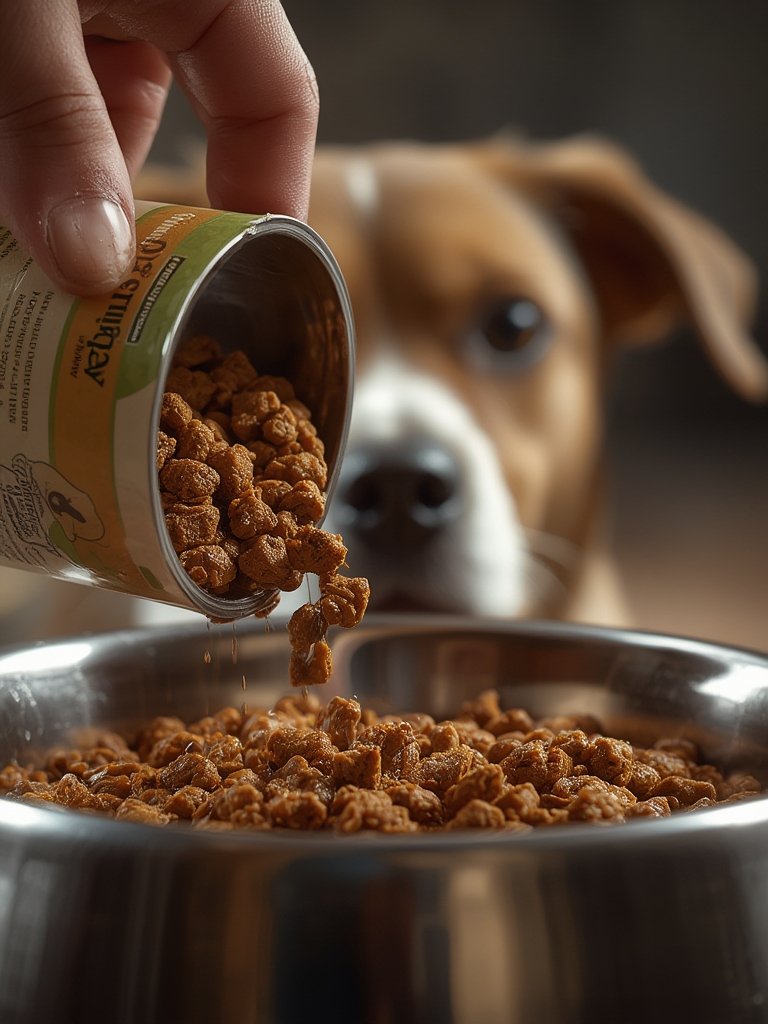
Keep in mind: Jiminy’s claims AAFCO-compliance for “all life stages” on its formulas, but further certifications or in-depth third-party quality testing are not publicly disclosed, so exercise due diligence—especially when buying for puppies or dogs with known medical needs.
If you’re comparing other leading dog foods, try these market research strategies to evaluate ingredients, label claims, and trends.
Advanced Analysis & Common Pitfalls
Let’s look at practical risks and gaps—plus how to avoid mistakes new Jiminy’s users frequently make:
- Lack of Clinical Data: There are no controlled studies demonstrating that cricket protein improves allergies, digestion, or long-term health for dogs, compared to traditional proteins.
- Palatability Concerns: While negative reviews are nearly absent from search results, some dogs may be hesitant to try insect-protein kibble—especially if they’re picky eaters or accustomed to strong meat flavors.
HACK: Use natural toppers (like pumpkin or bone broth) if you encounter refusal. - Pricing Ambiguity: As of 2024, per-pound or per-serving price data is not fully transparent online. Check for unexpected shipping, subscription, or special diet fees.
- Ingredient Nuances & Transparency: Not all Jiminy’s recipes are created equal—some contain grains (rice, oats, quinoa) and plant proteins (peas, chickpeas), plus added oils. Check for sensitivity to these if your dog is prone to allergies.
- Supply Chain Gaps: While the sustainability case is strong, questions about scale, traceability, and third-party audits of cricket farms and feed manufacturing remain unanswered. As the brand grows, supply chain transparency will become even more important.
- AAFCO Approval ≠ Full Endorsement: AAFCO guidelines ensure formulas are “complete and balanced” for nutrition but are not a guarantee of allergy protection, individual tolerance, or superior health outcomes.
| Feature | Jiminy’s | Traditional Premium Dog Food |
|---|---|---|
| Primary Protein | Cricket/Grub | Chicken, Beef, Fish |
| Hypoallergenic | Yes (insect-based, no beef/chicken/dairy) | Often “limited ingredient”—beef/chicken typically included |
| Environmental Footprint | Very low (land/water/carbon savings cited up to 99.99%) | High (resource-intensive production) |
| Long-Term Health Data | Not yet available (as of 2024) | More common (for traditional proteins) |
| Transparency | AAFCO-compliant; limited third-party certification/shown audits | Varies—large brands may offer more certifications |
| Price Information | Not fully disclosed online | Widely available |
For a look at how these differences fit into broader pet supply industry trends, review our expert resource hub.

Conclusion
The environmental and potential allergy benefits from Jiminy’s dog food make it a promising option in the growing world of alternative-protein pet diets. However, there are still major research and transparency gaps: independent clinical data is absent, full pricing is unclear, and ingredient nuances require due diligence from owners.
If you’re considering Jiminys dog food for your pet, proceed with careful research, speak with your vet, and closely monitor your dog during transition. For broader coverage of new pet supply launches, keep up with Pet Reviewers News. Ready to try? Always choose the formula that best matches your dog’s needs, read labels in depth, and track outcomes for at least a month after switching.
FAQs About Jiminy’s Dog Food
Is Jiminy’s dog food safe for all breeds and life stages?
Jiminy’s products are AAFCO-approved for all life stages. There is no published veterinary evidence showing harm to any breed, but as with any new food, consult your veterinarian before use—especially for puppies, seniors, or dogs with medical conditions.
Does Jiminy’s actually reduce allergies in sensitive dogs?
The formulas exclude beef, chicken, and dairy—common allergens—and cricket protein is considered less likely to cause reactions. However, there are no independent studies confirming that Jiminy’s performs better than other hypoallergenic brands for reduced allergy symptoms.
What happens if my dog doesn’t like the taste of Jiminy’s?
Palatability is subjective. Some dogs adapt quickly, others may resist. If refusal occurs, try mixing Jiminy’s with familiar food or toppers, or use a slower transition schedule.
Where can I find pricing for Jiminy’s dog food?
Pricing is not fully transparent online as of 2024. Contact retailers directly, check the brand’s official site, or visit pet food marketplaces for current rates and promotions.
Is Jiminy’s more sustainable than other premium dog foods?
Cricket-based dog food requires significantly less land and water, with much lower CO2 output compared to beef and chicken-based formulas. These claims are supported by industry reporting but lack third-party scientific verification. Still, Jiminy’s stands out for sustainability among pet food options.