

Pet hair remover glove solutions are changing how pet owners tackle stubborn fur on furniture, car seats, and clothing. With more households owning pets than ever, finding the right tool for fur management is key to a cleaner home and happier pets.
Key Takeaways
- Pet hair remover gloves made from rubber, silicone, and microfiber offer varying effectiveness and comfort for grooming and cleaning.
- Rising pet ownership and online shopping have driven the market size for pet grooming gloves to as high as USD 1.14 billion in 2024.
- Most brands focus on positive hygiene benefits, but practical performance differences and cost info remain underdiscussed in the pet care space.
- What Is a Pet Hair Remover Glove and Why Use One?
- How to Use a Pet Hair Remover Glove: Step-by-Step Guide
- Advanced Analysis & Common Pitfalls
- Conclusion
- Frequently Asked Questions
What Is a Pet Hair Remover Glove and Why Use One?
Pet hair remover gloves are reusable wearable tools designed to collect loose pet fur from your dog or cat and help clean up hair on surfaces like couches, blankets, car seats, or even clothing. Instead of relying on sticky lint rollers or disposable sheets, these gloves use friction, static, or textured surfaces to grab and trap fur strands efficiently.
The market for these gloves is booming. In 2024, estimates show pet grooming gloves (which include pet hair remover gloves) are worth as much as USD 1.14 billion, with projected growth to USD 2.5 billion by 2032. This surge is fueled by rising pet ownership—67% of U.S. households—and increasing online purchasing, seen in the pet products market’s rapid e-commerce expansion.
Designs typically feature nubs, bristles, or microfiber pads on the palm and fingers. Some brands focus on comfort and dual grooming-use, while others prioritize surface cleaning or massage action. Popular manufacturers include Wahl Clipper, HandsOn Gloves, Petmate, Pat Your Pet, and Four Paws.
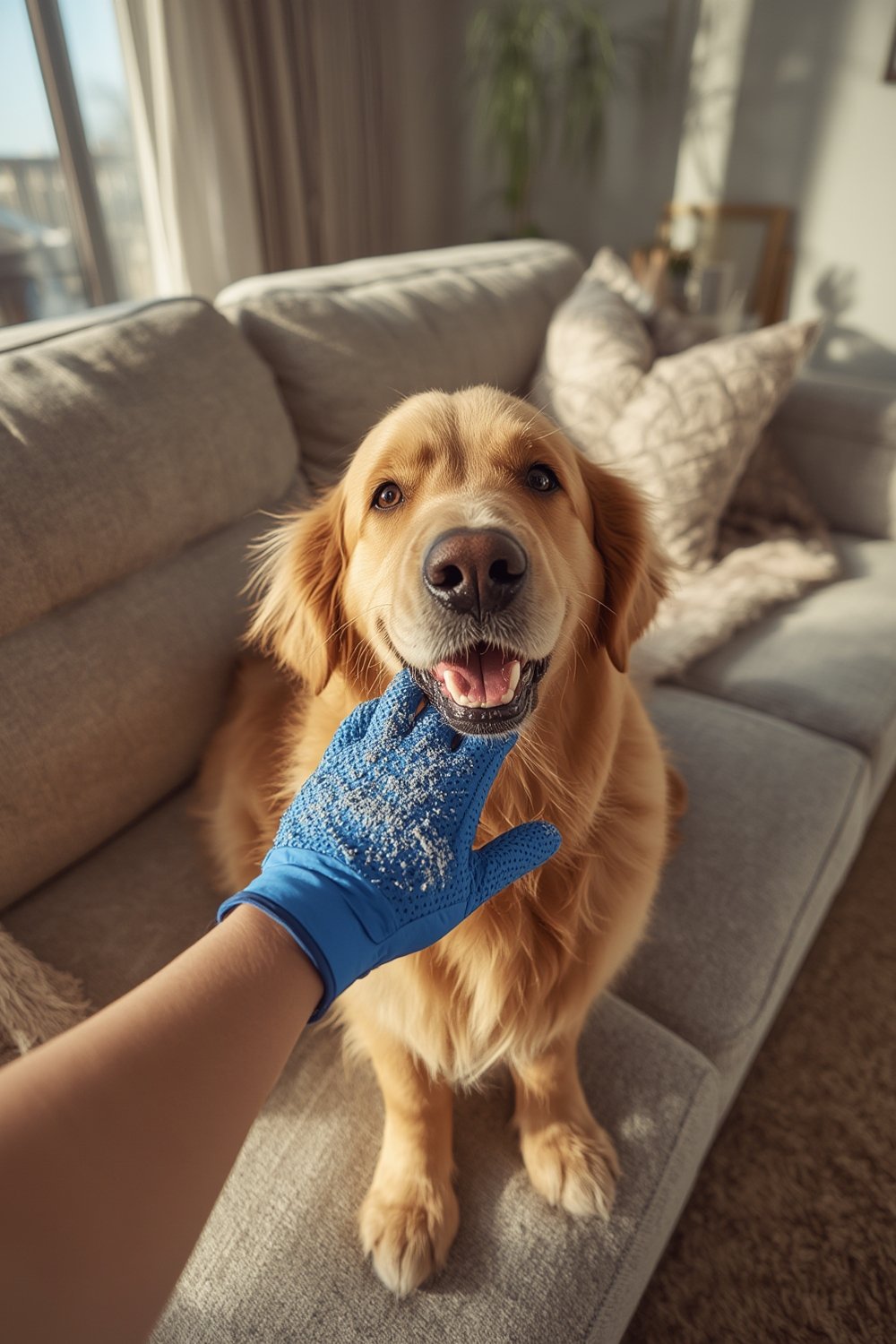
Unlike standard brushes, the glove design can feel like petting, making nervous pets more comfortable during grooming and promoting better hygiene without causing stress.
Trouble with pet hair sticking to your new couch or the backseat? A quality pet hair remover glove promises to save time and effort, helping you handle the challenges of living with a furry companion.
How to Use a Pet Hair Remover Glove: Step-by-Step Guide
- Choose the Right Glove: Opt for rubber or silicone gloves for grooming and fur removal from pets, or microfiber for wiping down upholstery and surfaces. Assess fit and dexterity—an ill-fitting glove can hinder efficiency.
- Prepare the Area: For best results, start with dry surfaces. If cleaning furniture or car seats, remove excess debris first. For grooming, ensure your pet’s coat is dry and free of mats.
- Groom or Sweep in Short, Firm Strokes: Wear the glove as you would a regular glove. Apply gentle, even pressure and use short strokes in the direction of fur growth, both on pets and on fabric surfaces. Lift away clumps as they accumulate.
- Remove Hair from Glove Frequently: Pause every few strokes to peel off collected hair and dispose of it. This prevents lost efficiency as fur builds up.
- Rinse and Maintain Regularly: Wash gloves in warm water with mild soap. Allow to air dry. This maintains grip and prevents residue or bacteria buildup.
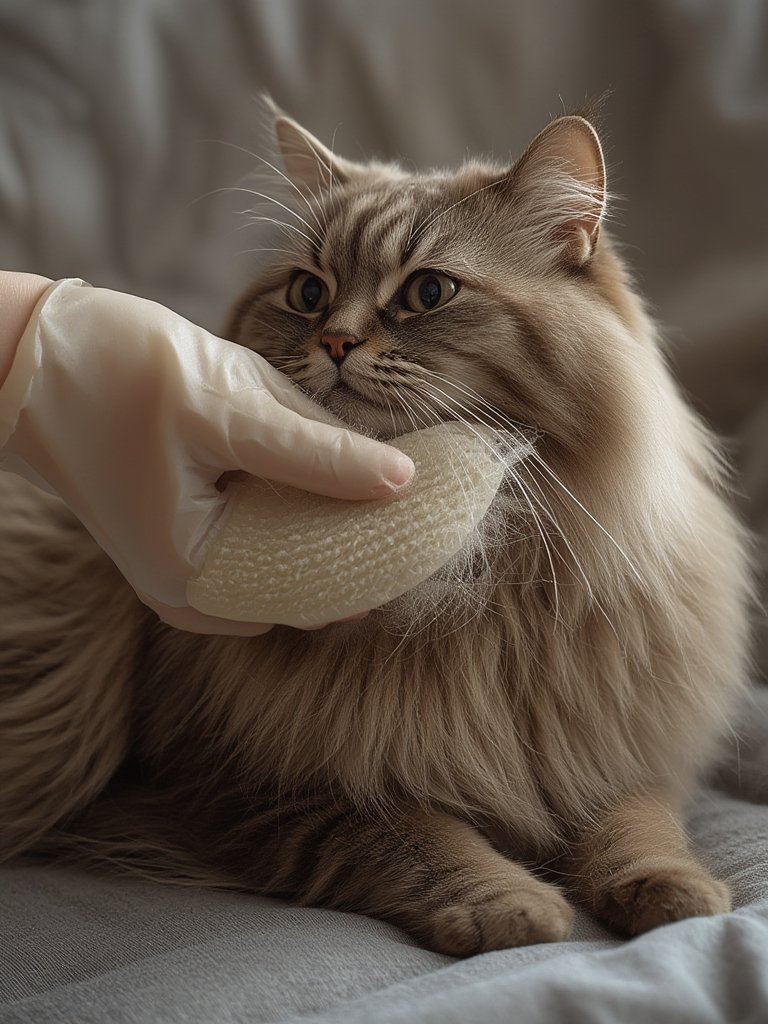
- Do a Test Patch: Before vigorous use, test the glove on a hidden area of your couch, bedding, or clothing to check for any negative impact on the fabric or colorfastness.
- For Car Seats: Use short, overlapping strokes across headrests, sides, and nooks where fur collects. Repeat for stubborn areas.
- For Clothing: Lay the item flat and use quick downward wiping motions; microfiber gloves can double as a fabric refresher by gently buffing the area after hair removal.
Track your glove’s performance over time. If you notice the grip deteriorating or the glove becoming hard or sticky, it’s time to clean or replace it. For more long-term value, consider how much you’re saving compared to one-time-use lint rollers—sometimes, reusable wins both in cost and environmental impact, even if market data on this is limited.
For more insights on new pet care trends—and the impact of online shopping on solutions like these—see Pet Reviewers News.
Advanced Analysis & Common Pitfalls
The market for pet hair remover gloves is crowded with different materials and features, but performance varies depending on your surfaces and grooming needs. Here are the main differences and pitfalls users need to know before buying:
| Material Type | Best Use | Main Strength | Key Weakness |
|---|---|---|---|
| Rubber | Pets, couches, car interiors | Durability, great hair pickup | Can feel less flexible, awkward fit for large hands |
| Silicone | Grooming (massage, bathing) | Softness; comfortable for pets and owners | Less effective on upholstery; can attract lint |
| Microfiber | Furniture, clothing, surface cleaning | Superior at trapping fur on fabric | Wears out faster; not ideal for wet grooming |
Want a more detailed look at major brands and their premium features? See this independent market report.
- Glove Size & Fit: Gloves with generic sizing may be tight or loose, making them difficult to use or causing hand fatigue on bigger jobs.
- Material Limitations: No universal glove works equally on all surfaces. For example, some rubber gloves are great on pets but less so on delicate upholstery.
- Lack of Lab Data: Most brands and articles do not publish lab-tested removal rates. Effectiveness often relies on anecdotal evidence or user trial and error, with little scientific validation for efficiency on microfiber, leather, or cotton fabrics.
- No Direct Cost Data: It’s hard to accurately compare reusable glove costs with disposables or lint rollers, as few studies or brands offer per-use or per-year analysis. In practice, though, most users report substantial savings over time—especially for homes with multiple pets.
- Safety Considerations: Available research does not flag latex allergies or residues as major issues, but always review package materials and test on your own skin and surfaces if sensitivity is a concern.
- Lack of Technique Advice: Most guides miss key tips like how to clean deep seams or adjust technique between different surfaces or fabrics, leaving some pet owners disappointed after purchase.

For the latest updates on new inventions and practical reviews, check the Pet Reviewers News section. You can also review industry trend reports for broader context on what’s driving innovation in this segment.
Conclusion
Pet hair remover gloves are a practical, eco-friendly alternative to disposable rollers and sheets, especially as more pet owners seek quick and gentle hair removal for their pets and living spaces. Although market growth and material innovations are impressive—backed by a rapidly expanding industry—there remain gaps around direct performance data, surface-specific application tips, and annual cost comparisons.
Try several glove types to match your household’s needs. And remember: a well-chosen pet hair remover glove can make grooming faster, cleaning easier, and save money over time. Ready for a fur-free home? Shop with purpose, use carefully, and share your experience with other pet owners seeking the right solution.
For deeper product reviews and the very latest pet care trends, visit Pet Reviewers News and be part of the next era of smarter pet care.
Frequently Asked Questions
Can a pet hair remover glove clean both my pet and my couch?
Yes, but results depend on the glove’s material. Rubber and silicone gloves are great for grooming pets, while microfiber works well for surfaces like couches or beds. Many pet owners keep one glove just for pet use and another for surfaces.
Will using a pet hair remover glove scratch leather furniture?
Most gloves are gentle, but always test on a small, hidden spot first. Rubber and silicone are usually safe for leather, but avoid aggressive rubbing or using a glove with rough seams that could cause damage.
How do I clean and maintain my reusable grooming glove?
Rinse the glove with warm water and mild soap after each deep use. Remove hair and debris before washing. Let it air dry to maintain grip and prevent odors or bacteria buildup.
Is there any risk of allergies or skin irritation from pet hair remover gloves?
No major safety or allergy concerns were reported in industry studies. But if you have a latex allergy or sensitive skin, check glove materials before purchase and consider opting for silicone or microfiber types.
How does a grooming glove compare to a lint roller in the long run?
Reusable gloves can save money and reduce waste compared to buying disposable lint rollers—especially in multi-pet households. Exact cost savings depend on use, but most owners find gloves last months or longer with care.