

Raised cat food bowl designs promise to help cats with vomiting and digestion, especially for senior pets with arthritis or mobility issues. But do they really work—or just offer theoretical benefits?
Key Takeaways
- No peer-reviewed clinical studies show reduced vomiting or improved digestion from using raised cat food bowls in 2024—benefits are mostly theoretical or anecdotal.
- Elevated, tilted, and wide bowls may help some senior or arthritic cats eat more comfortably, but can cause discomfort or GI issues for others.
- Specific features like height, bowl width, and tilt angle are key to preventing whisker fatigue and improving usability—selecting the right fit is crucial.
- What Are Raised Cat Food Bowls, and Do They Really Work?
- How to Choose and Introduce a Raised Cat Food Bowl (Step-by-Step Guide)
- Deep Dive: Do Raised Bowls Prevent Vomiting? Pitfalls & Comparisons
- Conclusion: Should You Try a Raised Cat Food Bowl?
- FAQs About Raised Cat Food Bowls
What Are Raised Cat Food Bowls, and Do They Really Work?
Raised cat food bowls are feeding dishes elevated above floor level. Some feature a tilt (often 15° tilt), wide and shallow interiors for whisker relief, or anti-spill lips. The idea is that elevated or angled bowls allow gravity to help food travel down your cat’s esophagus, potentially reducing regurgitation, neck strain, and making mealtimes cleaner and more comfortable—especially for older cats with arthritis or mobility trouble.
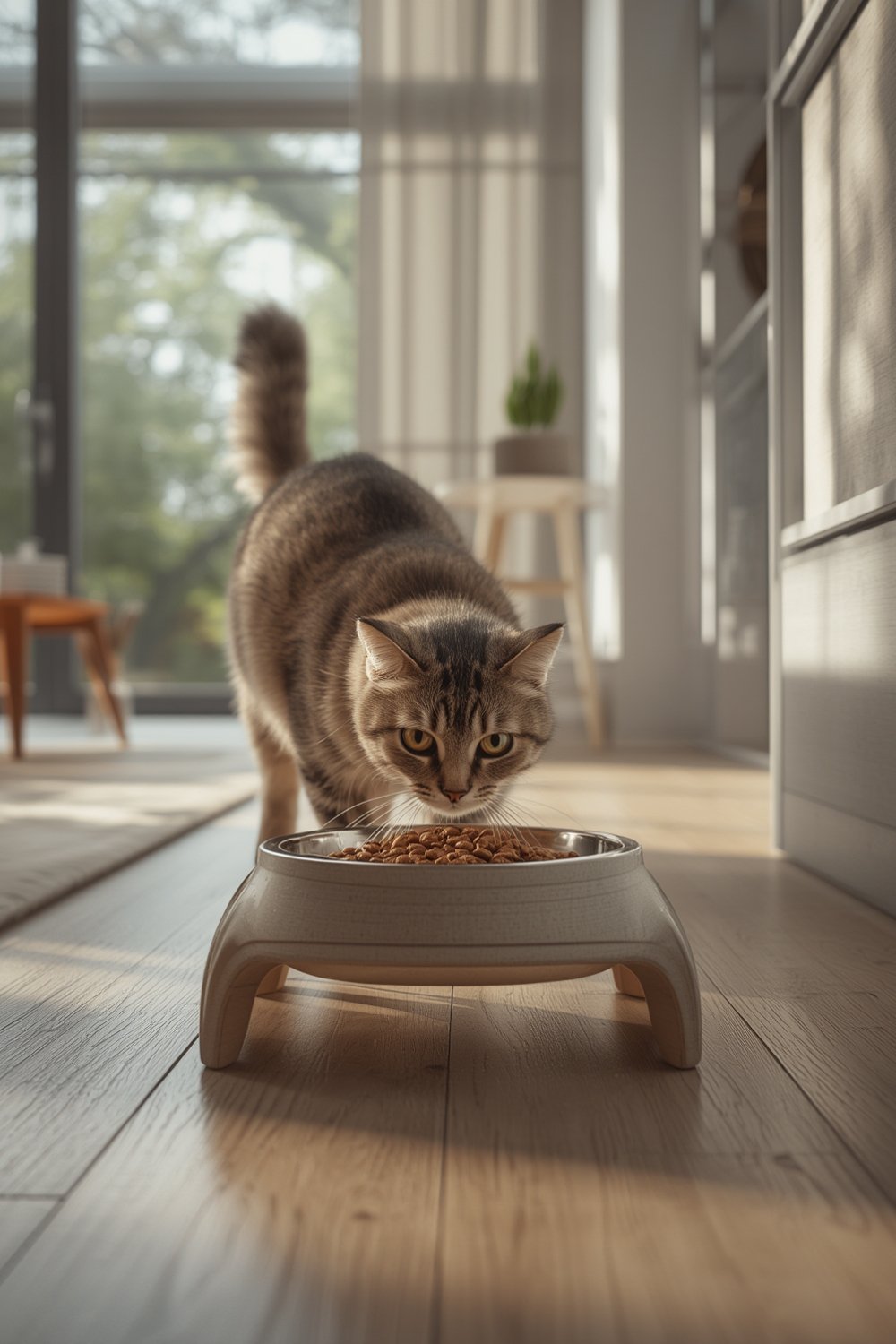
But does science back these claims? According to recent reviews and veterinary overviews, as of 2024, no peer-reviewed clinical trials have shown that elevated or tilted bowls directly reduce vomiting or dramatically improve cat digestion. The benefits remain theoretical: gravity could aid swallowing, and bowl shape may reduce whisker stress, but these statements rely more on anecdotal experiences and vet recommendations than controlled scientific evidence [source].
For senior cats with arthritis, raised bowls might genuinely ease discomfort by keeping the head, neck, and spine in better alignment—but every cat’s needs are different. Always consult your vet, especially if your cat has chronic vomiting, digestive disorders, or medical issues like megaesophagus or hernias.
If you research pet product trends, you’ll see manufacturers ramping up marketing around “anti-vomit” and “whisker fatigue” bowls. Pet owner curiosity about product innovations, especially for cats with digestion or eating issues, mirrors larger shifts in the pet products market online.
How to Choose and Introduce a Raised Cat Food Bowl (Step-by-Step Guide)
-
Assess Your Cat’s Needs:
- Does your cat gulp food, vomit often, or seem uncomfortable eating?
- Is your cat a senior, arthritic, or do they have joint issues?
- Does your cat resist deep bowls or bump them with their whiskers?
-
Select Key Design Features:
- Bowl Width: Opt for wide, shallow styles to reduce whisker fatigue (great for sensitive cats, all ages and breeds).
- Height: Most raised bowls lift food 3 to 5 inches off the ground; adjustable heights are ideal for larger or older cats.
- Tilt Angle: A 15° tilt is common, making swallowing smoother especially for seniors with mobility limitations.
- Material & Base: Choose non-slip bases and dishwasher-safe materials (like PC+PS or ceramic) for easy cleaning and stability.
-
Introduce Gradually:
- Place the new elevated bowl beside your cat’s old dish for one or two feedings.
- Encourage sniffing/licking with favorites; don’t force the transition.
- Watch for discomfort, slow eating, or reluctance with the new setup.
-
Monitor and Adjust:
- Track vomiting frequency, mealtime comfort, and cleanliness of the feeding area for at least 2 weeks.
- If the cat refuses the bowl, or problems worsen, revert or try another design.
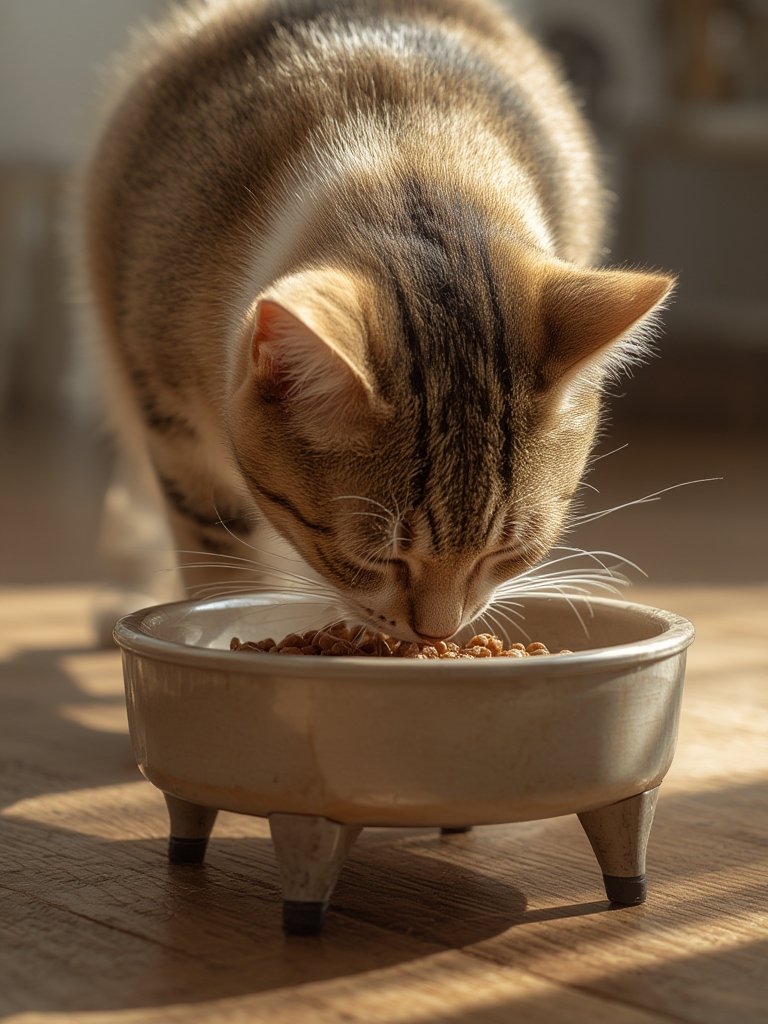
Once you find a setup your cat enjoys, stick to consistent feeding times and keep bowls as clean as possible. Always contact your vet if vomiting or digestion issues persist beyond simple home adjustments.
Looking for more practical advice on choosing, comparing, and finding new pet innovations? The Pet Reviewers News section covers trends and product updates you won’t want to miss.
Deep Dive: Do Raised Bowls Prevent Vomiting? Pitfalls & Comparisons
Let’s get realistic—raised cat food bowls are not a guaranteed fix. Here’s what research and user experiences (or lack thereof) reveal:
-
Clinical Evidence:
- No controlled trials or published veterinary studies, as of 2024, directly link raised cat food bowls to reduced vomiting or improved digestion for cats (Catster).
- Manufacturer and blog claims state benefits are “theoretical”—gravity might help esophageal flow, but success is case-by-case.
-
User Complaints:
- Mainstream retail platforms like Amazon and Chewy lack survey data on outcomes or dissatisfaction rates.
- Some articles report cons like cats refusing elevated bowls, GI upset, bloating, posture discomfort (especially cats who prefer crouched feeding), or more regurgitation—again, these are anecdotal and not statistically backed (Vetic Blog).
-
Lack of Usage Data:
- No large-sample owner surveys or studies give a clear “success rate” for reduced vomiting with anti-vomit bowls as of 2024. Manufacturers of 15° tilt bowls cite user testimonials, but these lack peer review.
-
Design Pitfalls:
- Incorrect height or angle can cause discomfort—short cats may strain, while tall cats may still crouch.
- Narrow or deep bowls can still cause whisker stress or messy eating.
- Unsuitable for cats with medical disorders like megaesophagus or digestive motility issues unless guided by a vet.
-
Material & Cost:
- Price ranges are unclear—some PC+PS plastic bowls offer removability and dishwasher cleaning, while ceramics or stainless steel can be pricier but more durable.
- The global anti-vomit bowl market was valued at up to USD 1.32 billion in 2024 (market report), but direct cost/benefit comparisons are unavailable.
| Bowl Feature | Potential Benefit | Possible Downside |
|---|---|---|
| 15° Tilted, Raised Bowl | May ease swallowing and digestion, less joint strain for seniors | May cause bloating or discomfort in some; not “natural” posture for all cats |
| Wide/Shallow Design | Prevents whisker fatigue, allows easier access | Messy eaters may scatter food outside bowl |
| Non-Slip Base | Improves stability, reduces spills | Some low-end plastics may crack or slip over time |
| Ceramic or Stainless Steel | More durable, sanitary, less odor retention | Heavier, costlier, may chip if dropped |
| Plastic (PC+PS) | Lightweight, easy-clean, inexpensive | Potential for scratching, harboring odors, less longevity |
If you want to stay ahead of trending pet supplies and avoid costly mistakes, browse Pet Reviewers News for up-to-date product releases and expert reviews. Simply want a fast way to compare options? Our pet products market overview helps you verify claims before buying.
For other innovative pet gear, like the Jiminys Dog Food review and top pet product updates, we offer unbiased pros, cons, and real owner feedback.
Conclusion: Should You Try a Raised Cat Food Bowl?
Raised cat food bowls are heavily marketed as anti-vomit solutions and can make a noticeable comfort difference for senior cats or those with arthritis. However, as of 2024, there is no strong scientific proof that a raised cat food bowl will reduce vomiting or improve digestion for every cat.
If your cat suffers from chronic vomiting, consult your veterinarian to rule out underlying health problems first. If you decide to try an elevated or tilted bowl, choose a design suited to your cat’s size, eating style, and preferences—and monitor for real improvement over at least two weeks. Remember: sometimes minor adjustments make a big difference, but not for all cats.
Ready to explore more ways to improve pet comfort and daily care? Test a raised cat food bowl, track your results, and share your experience with your vet or fellow pet owners for best results.
FAQs About Raised Cat Food Bowls
Do raised cat food bowls actually stop cats from vomiting?
So far, no clinical studies show a direct link between raised bowls and less vomiting in cats. Some owners and vets note improvements, but results are inconsistent and rely more on individual cat needs and eating habits.
Are raised bowls better for senior cats?
Raised or angled bowls can help senior or arthritic cats by reducing neck and joint strain, making eating more comfortable. Always look for wide, shallow, stable options, and check with your vet if your senior cat has chronic health conditions.
Can raised bowls cause problems for some cats?
Yes. A misfit (wrong height, poor angle, narrow bowl) can cause discomfort, slow eating, refusal, or even worsen regurgitation for some cats. Monitor your pet’s response and adjust or discontinue if needed.
What’s the best bowl design for preventing whisker fatigue?
Look for wide, shallow bowls with low sides and smooth interiors. Whisker fatigue can be prevented by minimizing whisker contact with the bowl. Raised bowls may combine these features but aren’t the only solution.
How much do anti-vomit raised bowls cost?
Specific 2024 price ranges are hard to find. The market offers plastic (lightweight, less durable), ceramic, and stainless steel (pricier, more durable) materials. Most anti-vomit bowls fall within affordable to moderate price brackets versus standard bowls.